The Architecture of Autonomy: A Deep Dive into Paperclip's System Design
The technical 'magic' behind the platform for developers who want to contribute or build on top of it.
Vijayaragupathy
AI Engineer
The Architecture of Autonomy: A Deep Dive into Paperclip's System Design
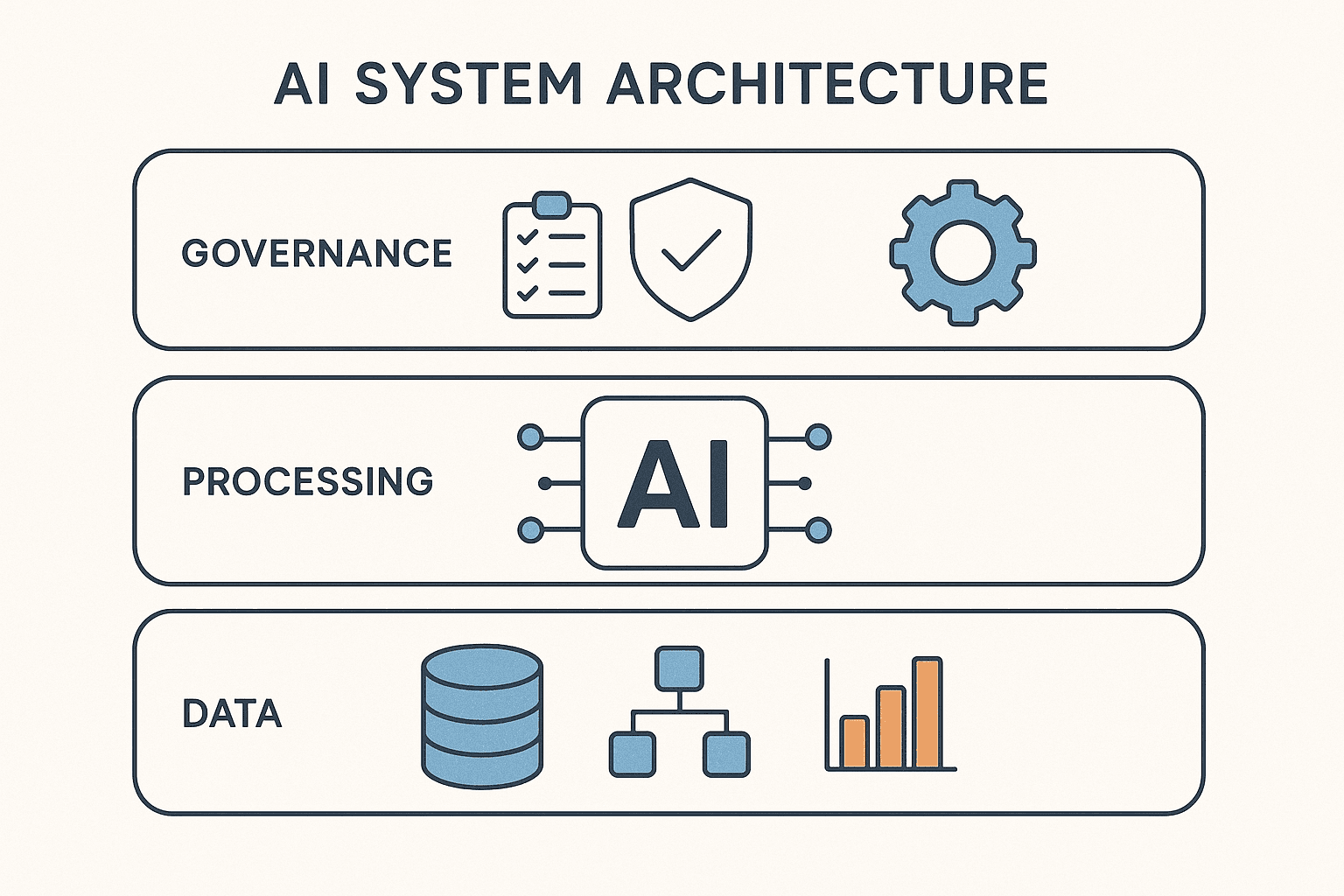
Paperclip's "magic" comes from a few well-understood components: heartbeats, state management, and governance layers. Let's dive into how it all works.
The Heartbeat Mechanism
The heartbeat is Paperclip's core scheduling system. It's essentially a cron engine with agent awareness.
How It Works
name: "daily-build"
schedule: "0 9 * * *"  # Cron expression
agents:
  - CEO
  - Engineer
  - Auditor
goal: "Review pending issues and prioritize next development tasks"
The Lifecycle
- Trigger: The scheduler wakes up at the specified time
- Agent Selection: Identifies which agents are in this heartbeat
- State Evaluation: Each agent evaluates its current state
- Execution: Agents perform their tasks within their budgets
- Logging: All actions are logged for observability
- Completion: The heartbeat finishes and updates state
Behind the Scenes
The heartbeat is implemented as:
Scheduler → Agent Orchestrator → Agent Executors → Tool Gatekeepers
Each layer adds a layer of safety and control.
State Management and Persistence
Paperclip maintains state in a .openclaw directory. This is a simple but powerful design.
The Data Model
{
  "org": {
    "name": "My AI Company",
    "createdAt": "2026-04-20T00:00:00Z"
  },
  "agents": {
    "CEO": {
      "role": "High-level strategy",
      "budget": 10,
      "lastHeartbeat": "2026-04-20T09:00:00Z"
    }
  },
  "heartbeats": {
    "daily-build": {
      "schedule": "0 9 * * *",
      "lastRun": "2026-04-20T09:00:00Z",
      "status": "completed"
    }
  },
  "events": [
    {
      "timestamp": "2026-04-20T09:00:01Z",
      "agent": "CEO",
      "action": "review_backlog",
      "result": "5 issues reviewed"
    }
  ]
}
Why This Matters
- Persistence: State survives restarts
- Auditability: Every action is logged
- Simplicity: No complex database needed
Governance Layers
Governance is implemented at multiple layers, each checking different constraints.
Layer 1: Budget Checks
function checkBudget(agent, cost) {
  const currentUsage = agent.budgetHistory.today;
  if (currentUsage + cost > agent.budget) {
    throw new Error("Budget exceeded");
  }
}
Layer 2: Permission Checks
function checkPermission(agent, tool) {
  if (!agent.allowedTools.includes(tool)) {
    throw new Error("Tool not allowed");
  }
}
Layer 3: Human Review
function checkHumanApproval(action) {
  if (action.requiresApproval && !action.approved) {
    throw new Error("Action requires human approval");
  }
}
These layers work together to ensure safety.
The Dashboard Stack
Paperclip's dashboard is built with:
- React: For the UI components
- Node.js: For the backend API
- WebSocket: For real-time updates
Real-Time Updates
When an agent performs an action:
Agent → API Gateway → WebSocket → Dashboard
This provides instant feedback to users.
Event Logging
Every event is logged with:
- Timestamp
- Agent ID
- Action
- Result
- Cost
This creates a complete audit trail.
Extensibility: Custom Tools and Agents
Paperclip is designed to be extensible. You can add custom tools and agents.
Adding a Custom Tool
// tools/custom-tool.js
export async function customTool(params) {
  // Your implementation here
  return { result: "success" };
}
Registering the Tool
tools:
  custom:
    handler: tools/custom-tool
    description: "A custom tool for special tasks"
Creating a Custom Agent
agents:
  SpecialAgent:
    role: "Specialized task handler"
    tools: [custom]
    budget: $5/day
    heartbeat: "0 */4 * * *"
Performance Considerations
Scalability
Paperclip is designed to scale:
- Horizontal: Add more agents, no code changes needed
- Vertical: Increase agent budgets, no code changes needed
Cost Optimization
- Agents run only when scheduled
- Budget caps prevent runaway costs
- Efficient tool usage reduces API calls
Security Model
Zero Trust by Default
- Agents have minimal permissions
- Every action is logged
- Human approval for critical actions
Defense in Depth
- Budget checks
- Permission checks
- Audit logging
- Encryption at rest
Future Architecture Plans
Paperclip's architecture is designed for evolution:
- Multi-tenant support: Run multiple organizations on one instance
- Distributed execution: Run agents across multiple machines
- Advanced analytics: ML-based optimization of workflows
Conclusion
Paperclip's architecture is deceptively simple: heartbeats for scheduling, a file-based state store, and layered governance. But this simplicity is its strength—it's robust, maintainable, and extensible.
For developers who want to contribute:
- Understand the heartbeat lifecycle
- Learn the state model
- Contribute to governance layers
- Build custom tools and agents
For those building on top of Paperclip:
- Define clear agent roles
- Set appropriate budgets
- Use heartbeats for recurring tasks
- Monitor via the dashboard
Next: Beyond the Chatbot
Continue Reading
More from the system
Orchestration
Beyond the Chatbot: Orchestrating Entire AI Companies with PaperclipThe paradigm shift from single-agent task completion to multi-agent organizational management.
AI Literacy
From Zero to CEO: Building Your First Automated Dev Shop in 10 MinutesA practical, step-by-step tutorial to get users from installation to their first running 'company'.
Autonomy & Strategy
The ROI of Autonomy: Why Paperclip is the Infrastructure for the 1-Person UnicornThe tangible business and operational advantages of using Paperclip over manual agent management.