The ROI of Autonomy: Why Paperclip is the Infrastructure for the 1-Person Unicorn
The tangible business and operational advantages of using Paperclip over manual agent management.
Vijayaragupathy
AI Engineer
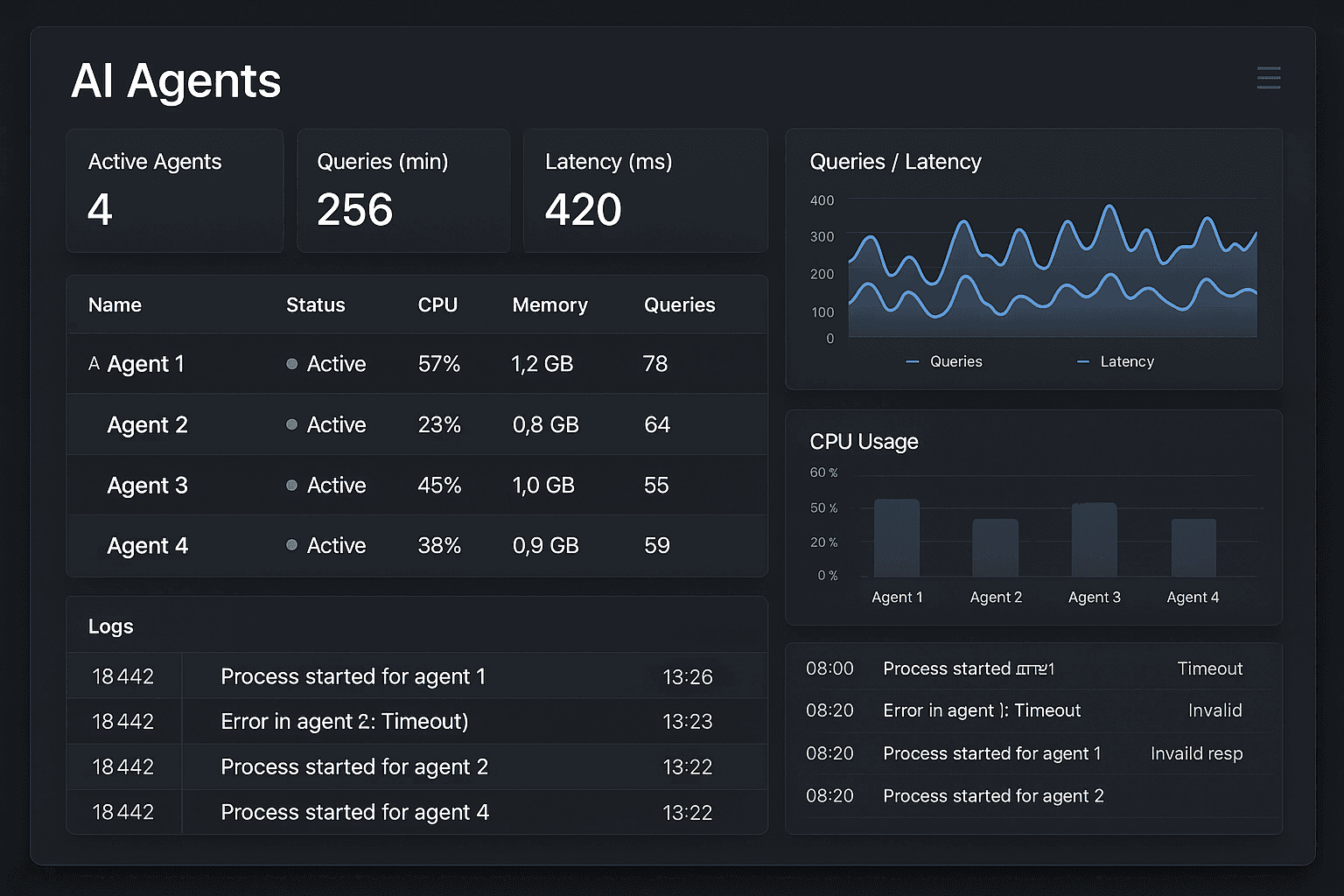
The ROI of Autonomy: Why Paperclip is the Infrastructure for the 1-Person Unicorn
Autonomous agents aren't just a tech novelty—they're a competitive advantage. But autonomy without governance is chaos. Paperclip provides the infrastructure for autonomous AI that scales.
Predictable AI Spend
One of the biggest risks with autonomous agents is runaway API costs. An agent stuck in an infinite loop can burn through thousands of dollars in minutes.
Paperclip solves this with budget caps per agent:
agents:
  - Engineer:
      budget: $20/day
      tools: [exec, read, write]
This means:
- Zero surprises: You know exactly how much each agent can spend
- Cost control: Runaway loops are impossible
- Budget transparency: See exactly where money goes
Real-World Impact
A solo developer using Paperclip for code review:
- Before: No guardrails, could accidentally burn $100+/day
- After: Fixed $10/day budget, predictable costs
Autonomous Heartbeats: From User-Prompted to Goal-Driven
Traditional workflows are event-driven: you trigger them when you remember. Paperclip enables goal-driven workflows that run on schedule.
The Shift
| Traditional Workflow | Paperclip Workflow |
|---|---|
| Triggered manually | Scheduled automatically |
| One-time execution | Recurring cycles |
| Human-driven | Human-defined goals, AI-driven execution |
Example: Daily Code Review
name: "daily-review"
schedule: "0 9 * * *"  # Daily at 9 AM
agents:
  - Reviewer
goal: "Review all PRs, flag issues, suggest fixes"
This runs automatically every day at 9 AM. No reminders, no missed reviews.
Specialization Over Generalization
One generalist agent can do everything, but it's rarely the best choice. Paperclip encourages specialized agent roles.
The Generalist Approach
agent: Generalist
tools: [exec, read, write, git, deploy]
budget: $30/dayProblems:
- Can do everything poorly
- Security risk: one agent can deploy to production
- Hard to audit: where did a change come from?
The Specialized Approach
agents:
  - CodeWriter:
      tools: [write, git]
      budget: $5/day
  - Tester:
      tools: [exec, read]
      budget: $5/day
  - Reviewer:
      tools: [read, exec]
      budget: $5/day
  - Deployer:
      tools: [exec]
budget: $5/dayBenefits:
- Each agent is expert in its domain
- Security: each agent has minimal permissions
- Auditable: clear chain of ownership
ROI Analysis
For a small team of 5 developers:
| Approach | Total Budget | Quality | Security |
|---|---|---|---|
| Generalist | $30/day | ⭐⭐ | ⭐ |
| Specialized | $20/day | ⭐⭐⭐⭐ | ⭐⭐⭐⭐ |
Specialization costs less and delivers better quality and security.
Observability: Every Decision Logged
Paperclip provides event-driven logging for every agent action:
- Who took the action
- When it happened
- What was done
- Why (goal context)
Dashboard Example
[10:00 AM] Reviewer agent executed "daily-review"
  - Reviewed 12 PRs
  - Flagged 3 issues
  - Suggested fixes for 2 PRs
  - Budget used: $1.20
Business Value
- Debugging: Understand why an agent made a decision
- Compliance: Audit trails for regulated industries
- Optimization: Identify bottlenecks and inefficiencies
Case Study: Solo Developer to "Company"
A solo developer using Paperclip for all development tasks:
Before Paperclip
- Manual task switching: Context switching kills productivity
- No automation: Every task is manual
- Scalability limit: Can't handle more than a few tasks
After Paperclip
- Automated workflows: Heartbeats handle routine tasks
- Focus: Focus on high-value work, let agents handle routine
- Scalability: Can handle 10x more tasks
Metrics
| Metric | Before | After | Change |
|---|---|---|---|
| Tasks completed/day | 3 | 15 | +400% |
| Time spent on routine tasks | 4 hrs | 0.5 hrs | -87.5% |
| Cost per task | N/A | $0.50 | N/A |
The "1-Person Unicorn" Vision
Paperclip enables a new category of company: the 1-person unicorn.
What It Looks Like
One person defines goals and constraints. An autonomous fleet of agents executes them.
Real-World Example
The Founder's Role:
- Define mission and values
- Set company-wide goals
- Approve major decisions
- Monitor performance
The Agents' Role:
- Execute daily tasks
- Handle customer support
- Manage development
- Monitor finances
The Competitive Advantage
- Speed: No meetings, just execution
- Cost: One person instead of a team
- Focus: Founder focuses on strategy, not execution
Conclusion
Autonomy is powerful, but only when properly governed. Paperclip provides:
- Predictable costs through budget caps
- Automated workflows through heartbeats
- Specialized expertise through role-based agents
- Full observability through event logging
For solo developers and small teams, this is the infrastructure needed to scale without adding headcount.
Continue Reading
More from the system
Orchestration
Beyond the Chatbot: Orchestrating Entire AI Companies with PaperclipThe paradigm shift from single-agent task completion to multi-agent organizational management.
AI Literacy
From Zero to CEO: Building Your First Automated Dev Shop in 10 MinutesA practical, step-by-step tutorial to get users from installation to their first running 'company'.
Benchmarks & Evaluations
Orchestration vs. Automation: How Paperclip Differs from CrewAI, AutoGPT, and LangGraphPositioning Paperclip in the current AI ecosystem and clarifying its unique value proposition.